Poison Oak Removal in Newark, DE
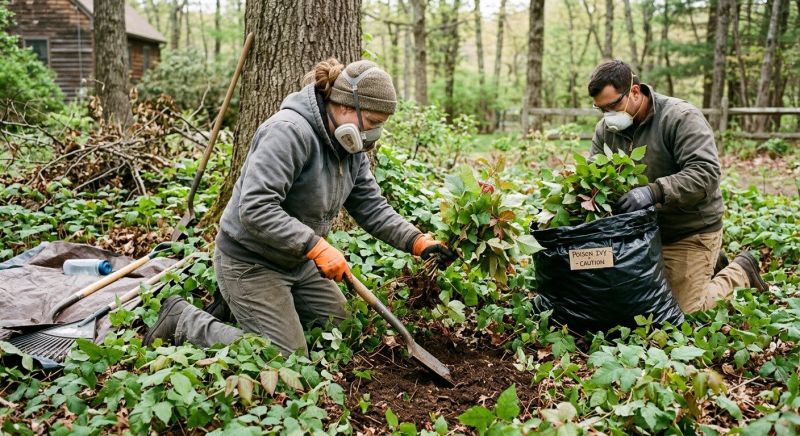
Poison oak removal services focus on safely eliminating this invasive plant from residential properties, particularly in areas such as yards, gardens, and wooded spaces. The process involves identifying poison oak growth and carefully removing it to prevent further spread and reduce the risk of skin irritation or allergic reactions for property occupants. These services are often requested for projects like clearing overgrown areas, preparing land for landscaping, or maintaining outdoor spaces to ensure safety and accessibility.
Homeowners typically want to understand the scope of the removal process, including how the plants will be eradicated and whether follow-up treatments are necessary. It’s also important to consider the size of the affected area, the presence of other vegetation, and safety measures during removal to avoid contact with the plants. Proper removal helps maintain a safe outdoor environment, especially in areas frequented by children or pets. Contacting a professional can provide clarity on the best approach for specific property conditions and project goals.
Many property owners in Newark, DE look into Poison Oak Removal for repairs, replacements, upgrades, and appearance-related improvements.

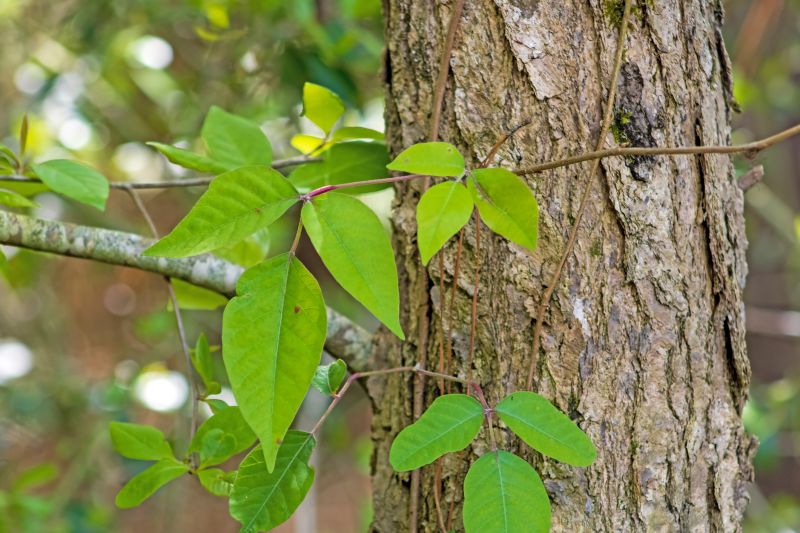
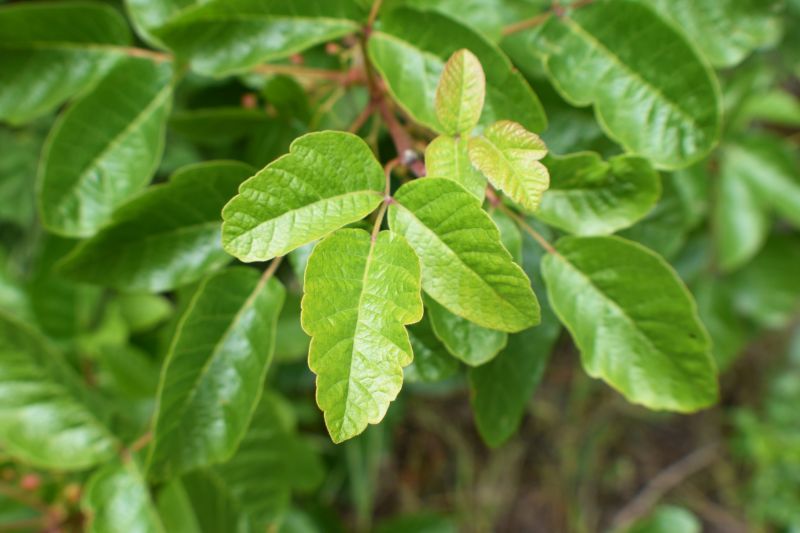
Poison Oak Identification
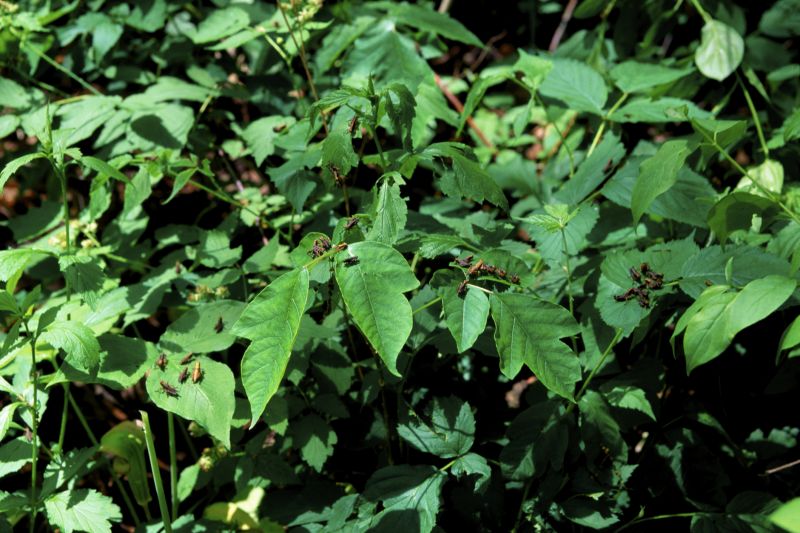
Understanding the signs of poison oak helps protect your property and health.
Hazard Prevention
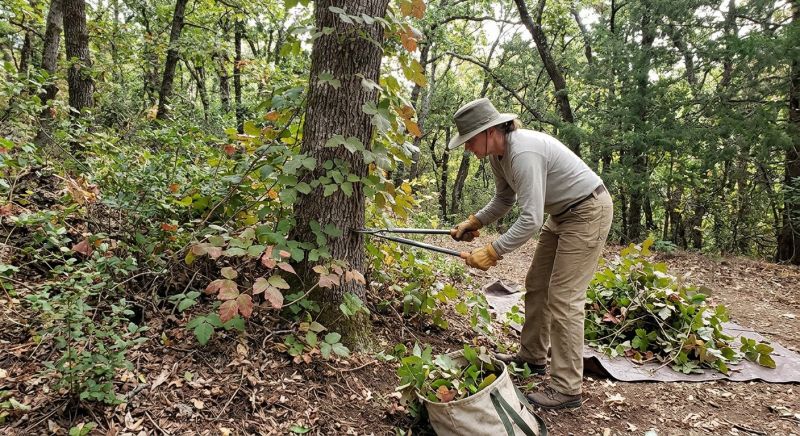
Removing poison oak reduces the risk of skin irritation and allergic reactions for residents.
Property Maintenance
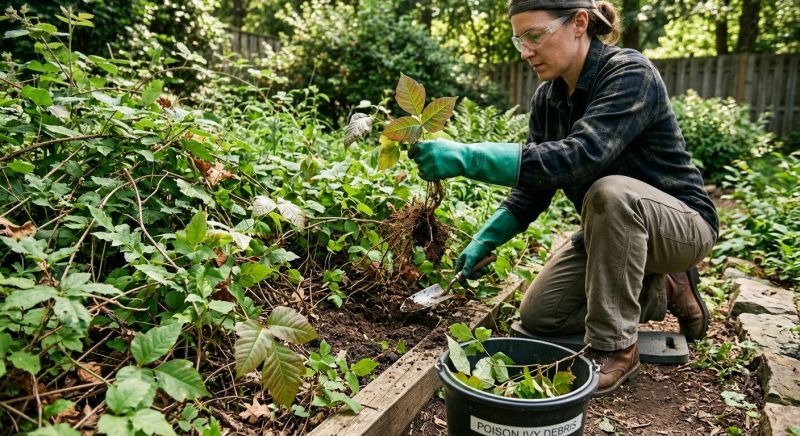
Regular poison oak removal keeps outdoor spaces safe and accessible in newark, de.
Poison Oak Removal in Newark, DE

Poison oak removal services focus on safely eliminating this invasive plant from residential properties, particularly in areas such as yards, gardens, and wooded spaces. The process involves identifying poison oak growth and carefully removing it to prevent further spread and reduce the risk of skin irritation or allergic reactions for property occupants. These services are often requested for projects like clearing overgrown areas, preparing land for landscaping, or maintaining outdoor spaces to ensure safety and accessibility.
Homeowners typically want to understand the scope of the removal process, including how the plants will be eradicated and whether follow-up treatments are necessary. It’s also important to consider the size of the affected area, the presence of other vegetation, and safety measures during removal to avoid contact with the plants. Proper removal helps maintain a safe outdoor environment, especially in areas frequented by children or pets. Contacting a professional can provide clarity on the best approach for specific property conditions and project goals.
Many property owners in Newark, DE look into Poison Oak Removal for repairs, replacements, upgrades, and appearance-related improvements.
Common Poison Oak Removal Jobs
Poison Oak Removal - Clearing overgrown areas to eliminate poison oak plants safely.
Yard Clearing - Removing poison oak from lawns, gardens, and landscape beds.
Brush and Shrub Removal - Cutting back infested bushes and shrubs to prevent spread.
Property Maintenance - Regularly inspecting and managing poison oak growth on the property.
Vegetation Control - Targeted removal of poison oak to protect family and pets.
Landscape Cleanup - Restoring outdoor spaces after poison oak removal is completed.
Poison Oak Removal Questions
What is poison oak removal? Poison oak removal involves safely eliminating the plant to prevent skin irritation and protect property.
When should poison oak be removed? Removal is recommended when the plant is growing in areas accessed regularly or near outdoor living spaces.
How is poison oak removed? The process typically includes cutting, herbicide application, and proper disposal to ensure complete eradication.
Why hire a professional for poison oak removal? Professionals use safe techniques to effectively remove poison oak and minimize the risk of skin contact or plant regrowth.
Request Poison Oak Removal in Newark, DE
Use the quote form on this page to share the basics of your project and request more information for the type of work you need.